
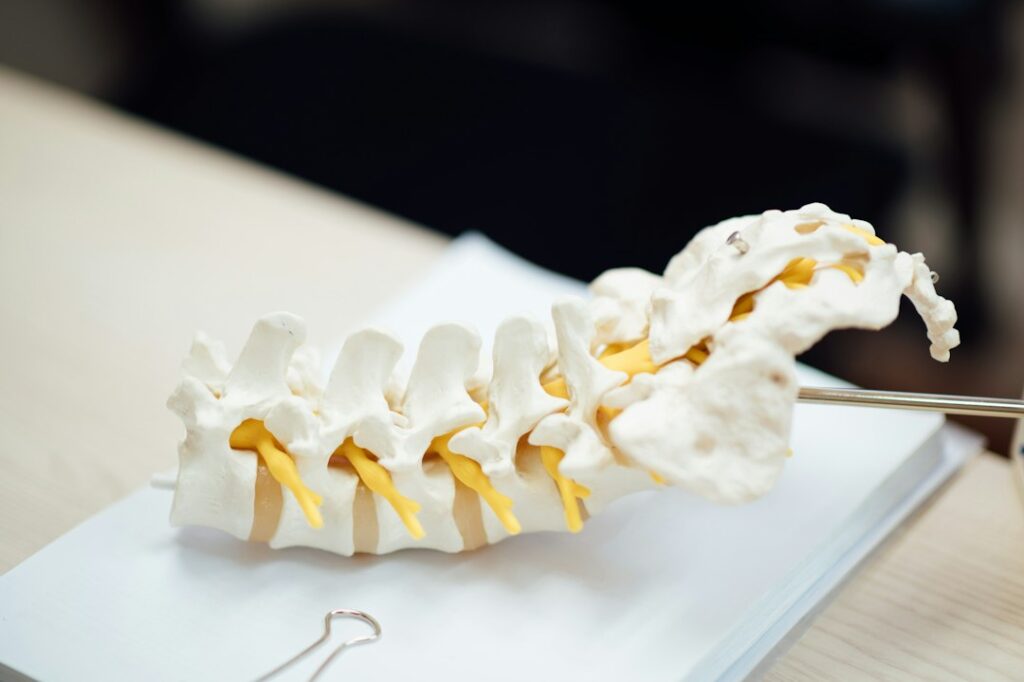
Spinal adjustments are hands-on techniques intended to influence movement in joints of the spine and the way the nervous system processes mechanical signals. Research suggests they may provide modest short-term improvement for some types of low back or neck pain, but they are not a universal treatment and should not be presented as a cure for every health problem.
For residents of Newburgh, NY, understanding what an adjustment can and cannot do is useful when deciding how to respond to back stiffness, neck discomfort, or pain that develops after lifting, driving, desk work, home repairs, or seasonal outdoor activity.
What happens during a spinal adjustment?
A spinal adjustment, also called spinal manipulation, uses a controlled force applied to a spinal joint. The movement may be delivered by hand or with an instrument. The force is usually brief and specific, although the amount of movement and pressure can vary.
Adjustment is different from mobilization. Mobilization uses slower, gentler movements within a joint’s available range. Manipulation generally involves a quicker, smaller thrust that briefly moves a joint farther than it would move voluntarily.
Some adjustments produce a popping or cracking sound. This sound usually comes from a rapid change in pressure within joint fluid, which can create a gas bubble. It does not mean that a bone has been “put back into place,” and the sound is not proof that the treatment worked.
How might an adjustment affect pain?
The science points to several possible mechanisms rather than one single explanation. An adjustment may:
- Temporarily change how joints move
- Reduce protective muscle guarding
- Stimulate sensory receptors in joints, muscles, and surrounding tissues
- Alter how the spinal cord and brain interpret pain signals
- Make movement feel easier, which can support a gradual return to normal activity
Pain is not simply a measurement of tissue damage. It is an output of the nervous system influenced by movement, inflammation, sleep, stress, prior injury, and expectations. A person may feel better after an adjustment because the nervous system becomes less protective, because stiff movement improves, or because normal activity feels safer.
These effects may be temporary. Long-term improvement is more likely to depend on the broader plan, which can include regular movement, strengthening, sleep, work habits, and education about pain.
Does the “correct” vertebra need to be adjusted?
Not necessarily. A common explanation is that one specific vertebra is “out of place” and must be precisely repositioned. That description is usually too simple.
Research has not consistently shown that targeting one exact spinal level produces better pain or function outcomes than a broader, non-targeted approach for nonspecific low back pain. The spine is a connected structure, and symptoms may be influenced by several joints, muscles, nerves, and movement patterns.
This does not mean that assessment is unimportant. A careful evaluation can help identify whether symptoms appear mechanical, whether movement is limited, and whether warning signs suggest a problem that needs a different type of medical assessment.
What conditions may respond to spinal manipulation?
The strongest evidence concerns common musculoskeletal problems, especially some forms of low back pain. Studies generally show small to modest improvements in pain and function compared with usual care or other conservative approaches. Benefits may be similar to those produced by other non-drug treatments.
Spinal manipulation may also help some people with neck pain. Evidence for headaches is more limited and depends on the type of headache. There is less convincing evidence that spinal adjustments treat non-musculoskeletal conditions such as high blood pressure, digestive disorders, infections, or internal organ disease.
Symptoms such as numbness, weakness, or pain traveling down an arm or leg require more careful evaluation. An adjustment may be considered in some situations, but nerve-related symptoms should not automatically be assumed to result from a simple joint restriction.
Why is movement often part of the science?
A spinal adjustment may make movement feel easier, but it does not build endurance or strength by itself. Exercise and gradual activity help the body tolerate everyday demands such as lifting laundry, carrying groceries, climbing stairs, shoveling, or working at a computer.
For this reason, an adjustment may be used alongside:
- Walking or other low-impact aerobic activity
- Mobility exercises
- Strengthening for the hips, legs, abdomen, and upper back
- Changes to prolonged sitting or standing
- Gradual return to normal work and household tasks

During colder months, people may spend more time sitting indoors. During warmer seasons, sudden increases in gardening, yardwork, recreation, or home maintenance can place unfamiliar demands on the back and shoulders. In both situations, gradually increasing activity is generally more useful than relying on passive treatment alone.
Are spinal adjustments safe?
For most appropriately screened adults, common side effects are mild and short-lived. Temporary soreness, stiffness, fatigue, headache, or a brief increase in discomfort may occur and often resolves within a day or two.
Serious complications are uncommon, but they have been reported. Neck manipulation deserves particular caution because rare cases of cervical artery dissection have been associated with sudden neck movements, including movements that may occur during sports, whiplash, severe coughing, or vomiting. Researchers continue to debate how often manipulation directly causes these events, but the potential risk should be discussed openly.
Extra caution may be needed for people with conditions affecting bone strength, blood clotting, spinal stability, infection risk, or the nervous system. A complete health history should include recent injuries, surgery, cancer, osteoporosis, inflammatory disease, blood-thinning medication, pregnancy, and neurological symptoms.
When should pain be evaluated urgently?
Back or neck pain should receive prompt medical attention if it occurs with:
- New or worsening weakness
- Loss of bladder or bowel control
- Numbness in the groin or inner thighs
- Fever or unexplained illness
- Major trauma
- Unexplained weight loss
- Severe pain that is constant or rapidly worsening
- New trouble walking or coordinating movement
Sudden neck pain followed by severe headache, dizziness, double vision, fainting, trouble speaking, or weakness on one side of the body is an emergency.
What should a realistic expectation be?
The most accurate view is that spinal adjustment is one possible conservative tool for selected musculoskeletal complaints. It may reduce pain or improve movement for some people, particularly in the short term. The average benefit found in research is usually modest, and individual responses vary.
An adjustment should not be judged only by whether a joint makes a sound or whether symptoms disappear immediately. More meaningful measures include improved walking, sleeping, working, lifting, or participating in ordinary activities over time.
For local residents managing recurring discomfort, the practical question is not whether spinal adjustments are universally good or bad. It is whether the technique fits the person’s symptoms, health history, goals, and risk factors—and whether it is combined with an overall plan that supports safe, sustained movement.
