
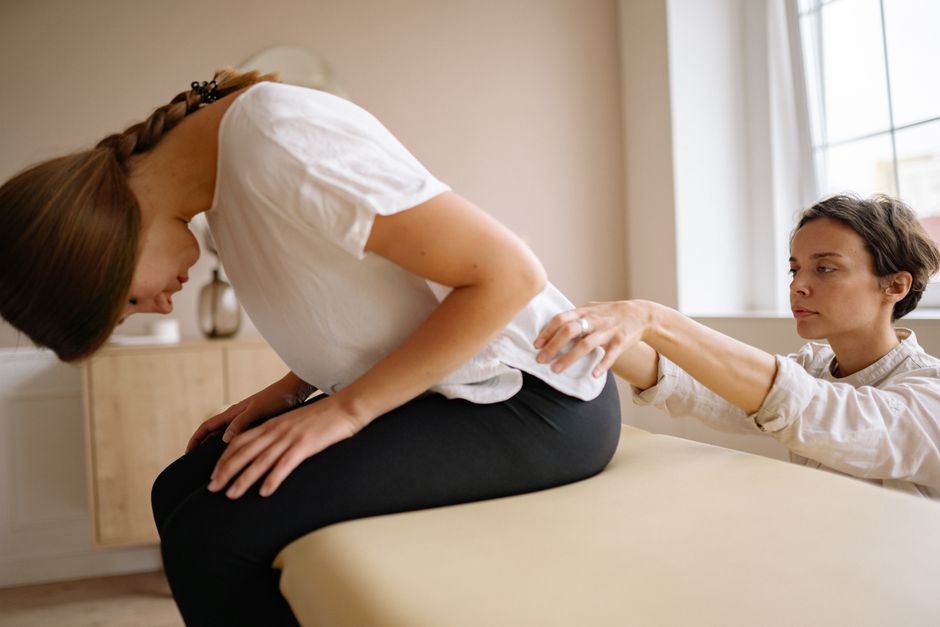
A minor back strain usually involves overstretched or irritated muscles, tendons, or supporting tissues. It may happen after lifting, shoveling, gardening, exercising, reaching awkwardly, or spending a long period in one position. Most uncomplicated strains improve gradually with sensible home care, but severe or unusual symptoms require medical evaluation.
How can a minor back strain be treated at home?
The most helpful approach is usually short-term activity modification, cold or heat, comfortable movement, and a gradual return to normal activities. Complete bed rest is generally not recommended because staying still for too long can increase stiffness and make movement feel more difficult.
For the first day or two:
- Stop the specific activity that triggered the pain.
- Avoid heavy lifting, repeated bending, twisting, and forceful stretching.
- Take short, easy walks around the home if walking does not sharply increase pain.
- Change positions regularly instead of sitting or lying down for hours.
A strain may feel sore, tight, or tender, especially when standing from a chair, rolling in bed, or moving from a bent position. Mild discomfort with movement does not always mean additional damage, but sharp, escalating pain is a reason to stop and reassess.
Should you use ice or heat?
Cold packs may be most useful during the first 24 to 72 hours, particularly when the area feels newly irritated, swollen, or warm. Wrap a cold pack or bag of ice in a thin towel and apply it for about 10 to 15 minutes at a time. Never place ice directly on the skin.
Heat may be more soothing after the initial period or when muscle tightness is the main problem. A warm shower, heating pad, or microwavable heat pack can help relax stiff muscles. Use comfortable warmth rather than high heat, and avoid falling asleep with a heating device in place.
There is no requirement to choose only one method. Some people prefer cold early in the day and warmth later, while others find that one approach consistently feels better. Skin should be checked regularly for excessive redness, numbness, or irritation.
Is it better to rest or keep moving?
Relative rest is usually more useful than bed rest. This means reducing activities that aggravate the strain while continuing gentle movements that feel manageable.
Walking is often a practical starting point. Begin with a few minutes on a level surface and increase gradually if symptoms remain stable. Indoor walking may be easier during icy winter conditions or after snow and freezing rain. Avoid uneven, slippery ground until balance and movement feel normal.
Gentle motion can include:
- Slow pelvic tilts while lying on the back
- Comfortable knee movements from side to side
- A brief, easy walk
- Light stretching that does not cause sharp pain
Stretching should never be forced. A common mistake is aggressively pulling on a painful back because it feels tight. If a movement causes pain to travel farther down the leg, produces numbness, or causes symptoms to intensify afterward, stop doing it.
What sleeping positions may help?
There is no single correct sleeping position, but support can reduce strain while the back settles.
People who sleep on their side may feel more comfortable with a pillow between the knees. Those who sleep on their back may benefit from a pillow beneath the knees. If lying on the stomach increases the arch in the lower back or worsens pain, another position may be preferable.
Getting out of bed can also be easier with a strained back. Roll onto one side, move the legs toward the edge, and use the arms to help push the upper body up. This avoids a sudden sit-up motion that can tighten the back.
Can over-the-counter medicine help?
Some adults use over-the-counter pain relievers for short-term discomfort, including acetaminophen or anti-inflammatory medicines such as ibuprofen or naproxen. These medications are not appropriate for everyone.
Follow the product label carefully and avoid taking more than the recommended amount. Ask a pharmacist or medical professional before using an anti-inflammatory medicine if there is a history of stomach ulcers, kidney disease, bleeding problems, uncontrolled high blood pressure, medication interactions, pregnancy, or allergy to these drugs. Acetaminophen also requires caution in people with liver disease or substantial alcohol use.
Topical pain-relief products may help some people, but they should not be applied to irritated or broken skin. Medication can reduce discomfort, but it should not be used to mask severe pain while returning immediately to heavy work.
What household activities commonly make a strain worse?
Back strains often flare during ordinary tasks rather than organized exercise. In the area, seasonal chores such as clearing snow, moving outdoor items, carrying bags, gardening, and preparing homes for cold weather can place sudden demands on the lower back.
To reduce stress during these activities:
- Break large loads into smaller ones.
- Keep objects close to the body.
- Bend at the hips and knees rather than rounding the lower back.
- Turn with the feet instead of twisting while carrying something.
- Alternate demanding chores with lighter tasks.
- Use a cart when possible for heavier items.
- Stop before fatigue causes lifting technique to deteriorate.
Shoveling can be especially demanding because it combines lifting, twisting, and repeated effort. Smaller amounts of snow and more frequent breaks are safer than trying to clear everything in one prolonged session.
When is back pain more than a minor strain?
Seek urgent medical care for back pain accompanied by new loss of bladder or bowel control, numbness around the groin or inner thighs, significant weakness in a leg, or difficulty walking. These symptoms can indicate nerve involvement that should not be managed only at home.
Prompt evaluation is also appropriate after a serious fall, vehicle collision, or other forceful injury, especially for people with osteoporosis or a higher risk of fracture. Fever, unexplained weight loss, a history of cancer, severe night pain, or pain that is rapidly worsening also deserves medical attention.
Pain that travels below the knee, persistent tingling, or numbness may reflect irritation of a nerve rather than a simple muscle strain. A back strain that is not clearly improving over several weeks should also be assessed.
How should activity resume after the pain eases?
Return to normal activity in stages. Start with routine walking and light household tasks. If those are tolerated, gradually reintroduce bending, lifting, exercise, or work-related movements.
A useful rule is that activity should not cause a major increase in pain during the task or leave symptoms substantially worse later that day or the next morning. Strengthening exercises can be helpful after the acute soreness settles, but they should begin gently and match the person’s health, fitness, and movement limitations.
Minor strains are often temporary, but repeated episodes may signal limited hip or core strength, poor lifting habits, prolonged sitting, or another underlying issue. Keeping a simple record of what triggered the pain, which movements help, and whether symptoms are improving can make the recovery process more predictable.
