
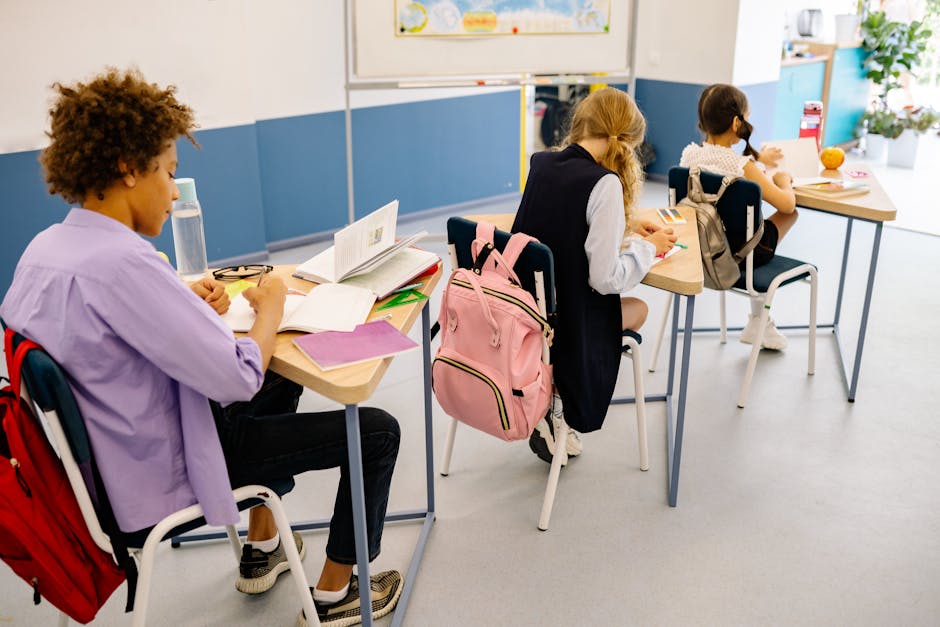
In the heart of the beautiful Hudson Valley, students and children in Newburgh, New York, juggle busy days filled with learning, play, and digital devices. As a local chiropractor, I frequently see families looking for ways to protect young spines in our schools, at home, or when streaming a show during a rainy afternoon. Prioritizing ergonomic health from a young age can prevent not just immediate discomfort, but future problems as well.
This comprehensive guide will address common ergonomic questions parents and educators have, offer practical tips, and explain how the unique Newburgh lifestyle impacts children’s posture.
Why Posture Matters for Children in Newburgh
Children in Newburgh split their time between historic school buildings, modern classrooms, and outdoor recreation areas. With digital devices and homework occupying more hours, understanding posture is crucial.
Good posture supports:
- Healthy spine growth and development
- Enhanced focus and learning
- Prevention of headaches, neck pain, and early back issues
- Confidence and self-esteem
In a vibrant community like Newburgh, where outdoor adventures and indoor learning compete for time, striking an ergonomic balance is vital.
Setting Up an Ergonomic Study Space at Home
Many Newburgh families live in charming homes—some older, some newly renovated. Not every home is equipped with a modern study area, but a child’s study space need not be fancy to be ergonomic.
Key guidelines for every Newburgh home:
- Chair Height: Feet should rest flat on the floor or a footstool, knees at a 90-degree angle.
- Table Height: Elbows should be at table level when arms are relaxed.
- Back Support: Use a small pillow or rolled towel if the chair lacks lumbar support—especially important in some of Newburgh’s older, wooden chairs!
- Screen Position: Top of the screen (laptop, tablet) should be at or just below eye level.
- Lighting: Position desks near windows for natural Hudson Valley light but avoid glare.
Whether your home faces the Newburgh-Beacon Bridge or the historic streets of the East End, making a few ergonomic tweaks goes a long way.
How Much Sitting Is Too Much? Insights for Newburgh Schools
Newburgh’s school district boasts a mix of modern and historic buildings. From the elementary schools downtown to the bustling Newburgh Free Academy, students spend several hours sitting daily.
Tips for minimizing the impact of long hours at a desk:
- Have students stand and stretch briefly every 30–45 minutes.
- Encourage movement during transitions between classes or lunch breaks.
- Advocate for sit-stand desks or flexible seating arrangements in schools—something Newburgh educators are increasingly embracing.
Incorporating Newburgh’s parks and riverfront areas into after-school activity is also an excellent way to offset sedentary classroom time.
Backpack Basics: Keeping Newburgh Kids Safe
With many Newburgh students walking to school or catching the yellow bus through leafy neighborhoods, heavy backpacks are a common concern.
Best practices:
- Backpack weight should never exceed 10–15% of a child’s body weight.
- Use both shoulder straps to distribute weight evenly.
- Adjust straps so the bottom of the backpack sits at waist level—not slouched low.
- Pack heavy items closest to the back.
Encourage kids to use school lockers regularly, even for short walks from Liberty Street to Broadway or up Regents Hill.
Ergonomics in a Digital World
Technology is a cornerstone of education in Newburgh, from Chromebooks in classrooms to tablets at home. Screen time is inevitable, but ergonomic habits can limit strain:
- Set “tech breaks”—for every 30 minutes of screen time, take a 2-minute break to move and stretch.
- Use device stands to elevate screens, reducing neck strain.
- Remind children to avoid using devices slouched on the couch or bed.
- Involve the whole family in tech-free outdoor activities. Enjoy a walk at Downing Park or a picnic by the waterfront to reset posture and refresh the mind.
Fun Ways to Encourage Movement for Newburgh Families
The Hudson River, scenic parks, and the city’s rich history inspire active lifestyles. Leverage local resources to keep children moving:
- Enroll in after-school sports at Recreation Park or Newburgh Armory Unity Center.
- Plan bike rides along the Hudson River greenway.
- Organize family hikes up Storm King Mountain or in the Black Rock Forest.
Movement built into Newburgh’s community landscape complements home and school ergonomics to create well-rounded, healthy habits.
When to Seek Professional Help
Some children may continue to struggle with pain or posture even with the best ergonomic setup. If you notice:
- Consistent complaints of neck, back, or shoulder pain
- Headaches after homework or device use
- Noticeable slouching, asymmetrical shoulders, or an uneven gait
It’s time to consult your family healthcare provider or a trusted local chiropractor. Early intervention prevents minor discomfort from becoming chronic pain.
Building Lifelong Habits in Newburgh
Posture and ergonomics are more than a set of rules—they’re part of a lifelong health journey that begins in childhood. Newburgh’s unique setting offers opportunities and challenges: whether learning in a historic classroom or exploring the great outdoors, children benefit from mindful movement and proper support.
By establishing smart study spaces, limiting sitting time, practicing good backpack habits, using technology wisely, and reinforcing healthy routines within our community, we can give Newburgh’s children a strong foundation for growth, learning, and lifelong well-being.
Empower your child with these ergonomic essentials, and watch them thrive every day—at home, at school, and beyond the banks of the Hudson.
