
Can Chiropractic Adjustments Help with PMS Symptoms?
Some residents of Newburgh, NY ask if chiropractic care can reduce symptoms linked to premenstrual syndrome (PMS). While evidence is limited and mixed, there are plausible reasons people explore this non-pharmaceutical option for symptom relief, especially for the physical discomforts sometimes linked to the monthly cycle.
What Is PMS and How Does It Affect Daily Life?
PMS refers to a group of symptoms—both physical and emotional—that affect many people prior to menstruation. Common experiences include cramps, bloating, irritability, headaches, low back pain, and fatigue. For some, these symptoms make routine tasks harder, disrupt work, or limit exercise plans, especially during the chilly and damp late-winter and early-spring months experienced locally.
How Could Chiropractic Adjustments Offer Relief?
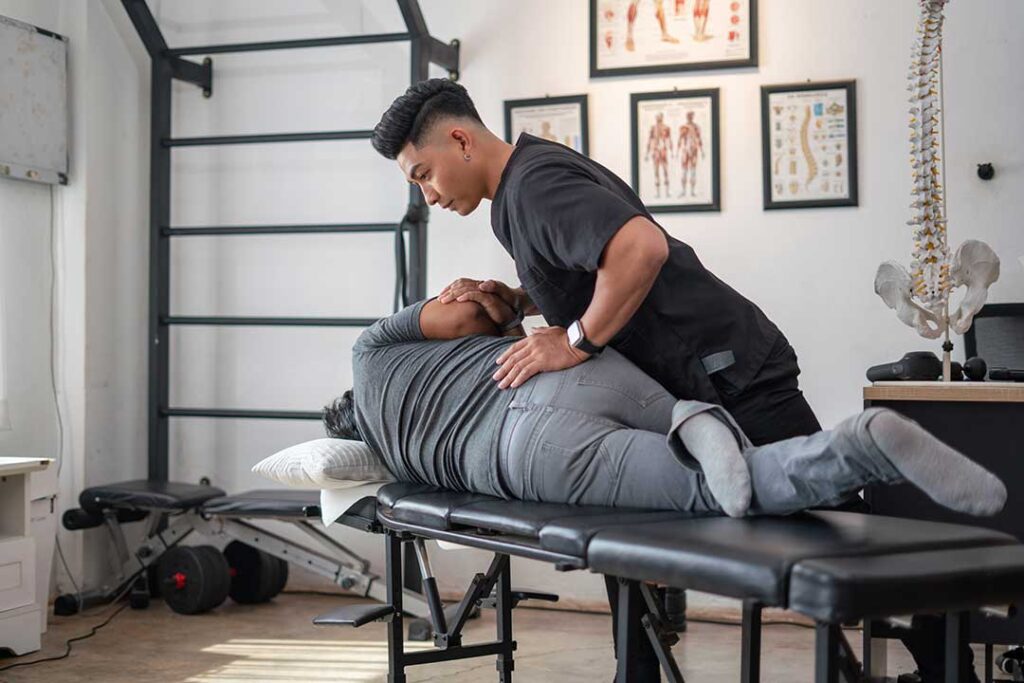
Some individuals report milder backaches, less tension, and improved mobility after chiropractic adjustments. The main thinking is this: improved spinal alignment and nervous system function might help the body better manage certain PMS-related discomforts. In particular, low back pain and muscle tension—a frequent complaint during PMS—may sometimes improve after spinal or pelvic adjustments.
- Local residents who spend a lot of time driving, working at a desk, or shoveling snow in winter may notice that such activities compound muscle aches and stiffness, which sometimes worsen during the premenstrual phase.
- If PMS discomfort includes significant lower back or sacral (tailbone area) pain, chiropractic adjustments targeting restricted movement in the lumbar and sacral regions could potentially offer some comfort.
What Does the Scientific Research Say?
Scientific evidence specifically connecting chiropractic care to PMS relief remains sparse. A few small studies and surveys suggest some women notice improvement in back pain, tension headaches, or even mood after chiropractic sessions, but results are inconsistent and research quality is variable. The existing studies typically examine musculoskeletal symptoms, not hormonal changes or core PMS mechanisms.
- The most reliable evidence supports chiropractic care for mechanical low back pain—a symptom that can overlap with PMS discomfort.
- There is no strong scientific backing that chiropractic adjustments affect hormone levels or the root biological causes of PMS.
Can Chiropractic Adjustments Replace Medical Treatments for PMS?
Chiropractic care should not be viewed as a replacement for medical evaluation, especially if PMS symptoms are severe, worsening, or associated with abnormal bleeding, significant mood shifts, or intense pain. In the city, as elsewhere, most healthcare professionals encourage an integrated approach: combining healthy lifestyle steps (exercise, stress management, adequate sleep, balanced diet) with medical and supportive care options as needed.
- Chiropractic adjustments may be pursued as a complementary measure for local residents seeking relief from back, hip, or joint pain—one part of a broader self-care routine.
- Residents with additional health conditions or recent injuries should discuss symptoms with a healthcare provider before starting any new regimen.
Are There Risks or Side Effects to Consider?
Chiropractic care is generally regarded as safe for healthy adults when performed by a trained and licensed practitioner. Most side effects are mild—soreness, stiffness, or temporary fatigue. However, like all physical interventions, there is some risk if not tailored appropriately, especially for individuals with bone health concerns.
- In Newburgh, falls on icy sidewalks or winter sports might contribute to joint injuries or back problems. Previous injuries should always be disclosed.
- People with osteoporosis, spinal instability, or unexplained pain should seek medical guidance before pursuing adjustments.
What Should Residents of Newburgh Expect If They Try Chiropractic Care for PMS?
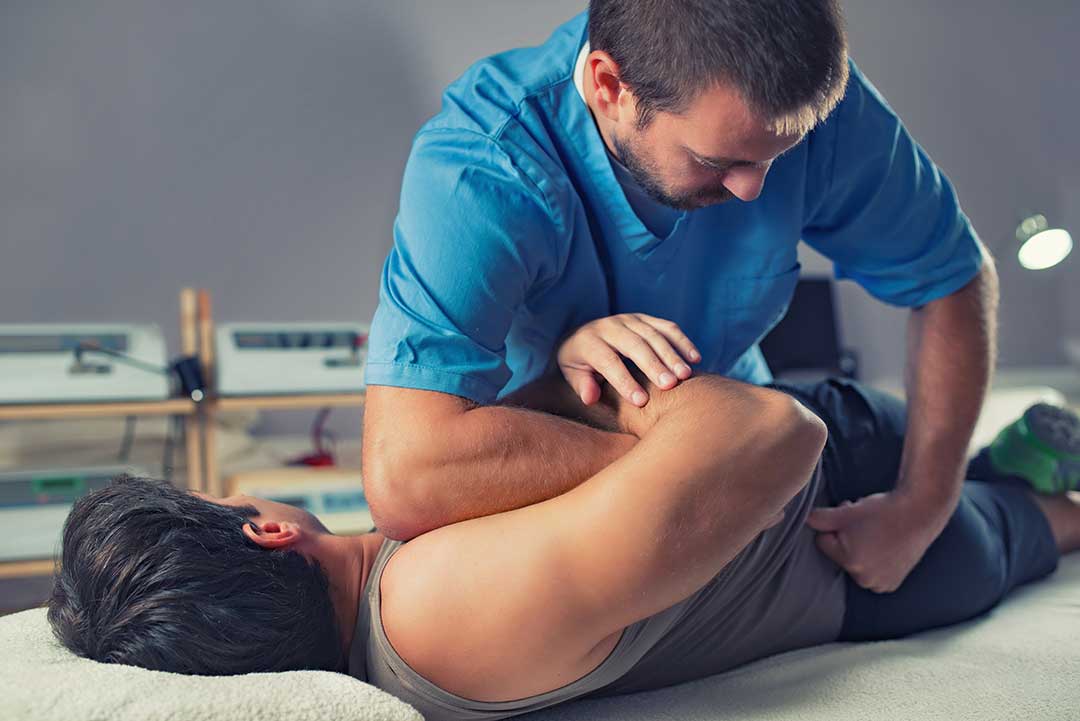
Local residents considering chiropractic care for PMS-related symptoms should expect a personalized evaluation, discussion of medical history, and gentle physical examination. Care may include a combination of hands-on adjustments, advice about posture, ergonomic education for local work and home habits, and movement recommendations.
Practical tips for those exploring this option:
- Keep a symptom diary to track any changes after visits.
- Communicate clearly about all symptoms—not just back pain—to ensure a well-rounded approach.
- Consider combining chiropractic visits with regular exercise. The walkable neighborhoods and parks in the city provide opportunities for movement, which is proven helpful for PMS.
Common Misconceptions About Chiropractic and PMS
Local conversations sometimes include misunderstandings about what chiropractic care can and cannot do:
- Adjustments do not "cure" PMS, nor do they change menstrual cycles.
- Relief, if any, is most likely for physical discomforts—not emotional or hormonal symptoms at the core of PMS.
- Chiropractic is not a substitute for gynecological care or medical advice about abnormal cycles.
Personalized, Practical Approaches Are Key
The choice to use chiropractic as one part of a PMS-support plan is personal and varies by individual experience, comfort with hands-on care, and the presence of coexisting musculoskeletal issues. In the often busy, active lifestyle of Newburgh, approaches that blend physical activity, movement-based care, and medical oversight can align well with the community's needs—especially when looking for gentle, non-drug strategies for managing everyday aches that may flare during PMS.
