
Accidents can happen in the blink of an eye, and for many people in Newburgh, New York, that means dealing with the aftermath of whiplash. Whether it’s a car collision on Route 9W or a slip and fall on Newburgh’s bustling sidewalks, whiplash is a common injury that can disrupt your daily life. Fortunately, with prompt action and the right strategies, most people find relief and regain their mobility. Here’s a comprehensive guide on how to manage whiplash after an accident, tailored to Newburgh’s active lifestyle.
Understanding Whiplash
Whiplash is a neck injury caused by the rapid back-and-forth motion of the head, similar to the cracking of a whip. This movement can stretch and tear the muscles, ligaments, and tendons in the neck. Common symptoms include neck pain, stiffness, headaches, dizziness, and sometimes pain radiating into the shoulders or arms. These symptoms might not appear immediately, sometimes taking hours or days to manifest.
Immediate Steps After an Accident
If you suspect you have sustained whiplash, it is important to act quickly:
- Seek Medical Attention: Even if pain is mild, visiting a healthcare professional is critical—especially after auto accidents on I-84 or busy city intersections.
- Document Your Injuries: Keep notes on symptoms and take photos if bruising or visible injuries are present. This documentation is helpful for both medical care and potential insurance claims local to Newburgh.
- Rest and Support: Avoid strenuous activities in the first 24-48 hours, such as heavy lifting or physically intense chores at home or work.
Core Management Tips for Whiplash
1. Ice and Heat Therapy
In the first day or two post-accident, ice packs can help reduce swelling and numb pain. Apply an ice pack wrapped in a cloth for 15-20 minutes every few hours. After swelling subsides, gentle heat (such as a warm towel) may help relax stiff muscles, especially if you’re feeling tight after a busy day exploring the Newburgh Waterfront or local parks.
2. Gentle, Gradual Movement
While rest is important, too much immobility can prolong symptoms. After the initial recovery period, start gentle movements:
- Rotate and tilt your neck slowly.
- Avoid sudden jerks.
- Incorporate short walks along the Hudson River or in Downing Park to encourage circulation without overexertion.
3. Over-the-Counter Pain Relief
Nonprescription pain relievers can help you stay comfortable during the initial healing process. Common options include acetaminophen or ibuprofen. Be mindful of dosing instructions, and consult your local Newburgh pharmacist if you have any questions.
4. Posture Awareness
Whether you’re working remotely at a café on Liberty Street or driving through Newburgh’s scenic roads, pay attention to posture:
- Keep your screen at eye level.
- Use supportive chairs with adequate neck support.
- Adjust your car seat to maintain a neutral neck position and use the headrest properly to avoid further neck strain.
5. Chiropractic and Physical Therapy Care
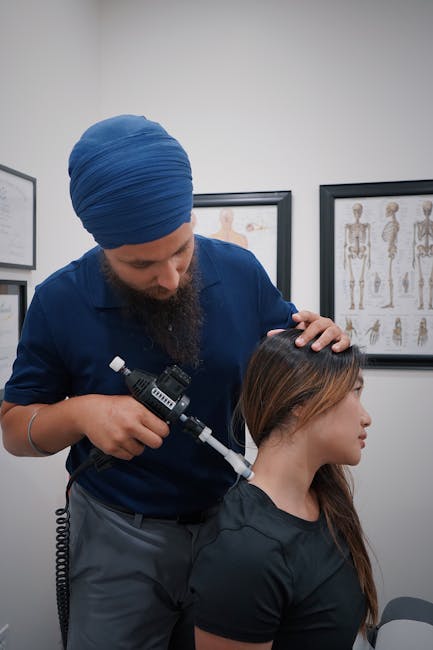
Many Newburgh residents benefit from chiropractic care for whiplash recovery. Chiropractors use safe, gentle adjustments to promote healing, restore mobility, and reduce pain. Physical therapy can also be valuable, providing targeted exercises and stretches to speed up recovery and prevent future issues.
6. Self-Care at Home
- Stay hydrated, especially if you’re active outdoors.
- Schedule periods of rest between exploring local Newburgh shops and events.
- Use a supportive pillow when sleeping to minimize neck strain.
When to Seek Additional Medical Help
You should consult a healthcare provider immediately if:
- Pain intensifies despite home care.
- You experience numbness, tingling, or weakness in your arms or legs.
- Headaches worsen or you notice trouble with vision or balance.
Local urgent care centers in Newburgh are equipped to evaluate and manage complications, ensuring you receive the right care quickly.
Adjusting Your Routine in Newburgh
Whiplash recovery doesn’t mean putting your life on hold. Try to:
- Reconnect with friends at outdoor venues, opting for comfortable seating.
- Explore lighter activities, like strolling through Washington’s Headquarters or browsing the Newburgh Farmers’ Market.
- Use public transportation or ask for rides if driving becomes uncomfortable during recovery.
With Newburgh’s many parks and river walks, gentle outdoor activity can boost mood and promote healing – just avoid overdoing it and listen to your body.
Why Early Management Matters
Early intervention results in better, faster outcomes. Ignoring or pushing through pain can prolong symptoms and potentially lead to chronic neck issues. For active Newburgh residents who love participating in local festivals or family events, proper whiplash care ensures you return to your routine sooner.
Frequently Asked Questions about Managing Whiplash in Newburgh
*How long does whiplash last?*
Most cases resolve within a few weeks, but some individuals experience symptoms for several months. Prompt care speeds recovery.
*Should I wear a neck brace?*
Short-term use (under medical advice) may help in severe cases. However, long-term brace use can weaken neck muscles. Always follow your healthcare provider’s recommendations.
*Is it safe to exercise?*
Avoid strenuous activities during the acute phase, but gentle range-of-motion exercises are beneficial once pain allows. Activities like walking along Newburgh’s scenic routes can encourage gentle movement and aid healing.
Conclusion
Managing whiplash after an accident is all about balance: protecting yourself, seeking appropriate care, and gradually reintroducing movement. By tailoring your routine to your body’s needs and embracing Newburgh’s supportive community and resources, you can recover fully and get back to enjoying everything our city has to offer. If in doubt, seek out local providers who understand both whiplash and the unique lifestyle of Newburgh residents.
