
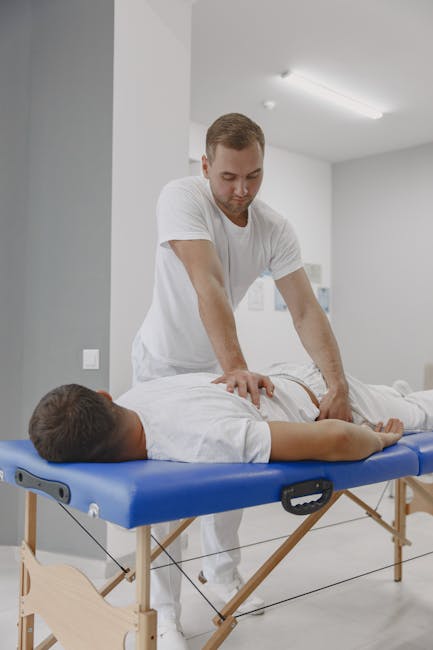
Living in Newburgh, New York means enjoying the beauty of the Hudson Valley, taking in the vibrant local art scene, and maybe sneaking away for a hike in Downing Park or a stroll along the waterfront. But, like many residents, you may have experienced stiffness or discomfort—maybe after a long day working at one of Newburgh’s bustling small businesses, commuting on Route 9W, or simply spending hours tending to your home. What’s behind these lingering aches and pains? One possible answer is a spinal subluxation.
What Is a Subluxation?
A subluxation, in chiropractic terms, refers to a misalignment or partial dislocation of the vertebrae in your spine. Unlike a full dislocation that often demands immediate medical attention, a subluxation doesn’t look dramatic on the outside. However, its effects can ripple throughout your nervous system and overall well-being. Think of your spine as the central highway for your nervous system—when the path is blocked or bent, communication between your brain and body can become disrupted.
How Do Subluxations Occur in Everyday Life?
Subluxations can develop from various sources, including:
- Poor posture (think hours at a desk in an office near Broadway)
- Physical stress from repetitive job tasks common in Newburgh’s warehouses or local shops
- Everyday slips and falls—icy New York winters make this all too familiar!
- Sports and activity injuries, especially among kids playing soccer or adults enjoying the outdoors
- Emotional stress, which can translate into muscle tension
Even simple activities, like carrying groceries from Adams Fairacre Farms or shoveling snow in January, can put strain on your spine.
Why Do Subluxations Matter?
Many people in Newburgh and beyond don’t realize that spinal health affects more than just your back. Here’s why subluxations demand attention:
- Nervous system interference: Your spinal cord is the main communication line from your brain to your body. Any blockages can disrupt essential messages, possibly affecting organ function, muscle coordination, and pain response.
- Chronic pain: Misaligned vertebrae can lead to inflammation, muscle spasms, and nerve irritation, contributing to ongoing neck, back, or even headache pain.
- Reduced mobility: If a subluxation is left untreated, it can limit your range of motion, making it tough to enjoy Newburgh’s lively parks or even walk down Liberty Street without stiffness.
- Long-term joint wear: Over time, abnormal spinal movement can speed up degenerative changes, potentially leading to arthritis or disc issues.
Common Signs and Symptoms of Subluxation
Wondering if you might be affected by a subluxation? Here are several clues:
- Localized pain, soreness, or tenderness in the back or neck
- Stiffness or reduced flexibility, especially in the morning
- Frequent headaches or migraines
- Tingling or numbness in the extremities
- Unexplained fatigue
It’s important to remember that some people may have subluxations without noticeable pain, underscoring the value of regular spinal checkups.
The Newburgh Lifestyle and Spinal Health
Newburgh’s lifestyle is as diverse as its history. Many residents juggle physically demanding jobs, active family lives, and recreational activities. Whether you’re a commuter, a student at Mount Saint Mary College, or someone who loves hiking Storm King Mountain, your spine is constantly adapting to your daily rhythms.
Winter in Newburgh brings the challenge of snow shoveling and icy sidewalks. Spring and summer activities, from gardening to enjoying the farmers’ markets along the Hudson, also involve physical exertion. Each season brings its own risks for minor injuries and posture-related strain, all of which can contribute to the development of subluxations.
Can Subluxations Heal on Their Own?
While our bodies possess impressive self-healing capacities, subluxations often persist without intervention. Over time, the body may adapt by compensating, which can worsen misalignments or cause discomfort in other areas. This adaptation can compound the underlying issue, reducing overall mobility and exacerbating pain or dysfunction.
How Are Subluxations Detected and Treated?
Chiropractors use detailed physical examinations, health histories, and sometimes digital imaging to diagnose subluxations. Treatment typically involves chiropractic adjustments—precise, controlled movements directed at the affected vertebrae to restore alignment and function.
Benefits of chiropractic care may include:
- Relief from aches and pains
- Improved range of motion
- Enhanced nerve function
- Prevention of future injuries
For residents of Newburgh, receiving regular chiropractic care supports your ability to keep up with the demands and activities unique to our community.
Preventive Tips for Newburgh Residents
You can take daily steps to protect your spinal health. Here are a few suggestions tailored for Newburgh’s local lifestyle:
- Maintain proper posture during work, whether at an office or on the shop floor
- Use ergonomic chairs and supportive footwear
- Take breaks during long drives along I-84 or Route 17K
- Warm up and stretch before enjoying local trails or recreational leagues
- Keep walkways clear in winter to minimize slip-and-fall risks
When Should You Seek Help?
If you experience persistent pain, stiffness, recurring headaches, or numbness, it’s worth getting your spine evaluated by a qualified professional. Early intervention can prevent minor misalignments from evolving into more serious concerns, and can help you enjoy all that Newburgh has to offer—comfortably and confidently.
In Conclusion
Subluxations may be an invisible threat, but their impact on daily life is very real, especially here in Newburgh where busy schedules and varied weather present unique physical challenges. Understanding what a subluxation is and addressing them proactively can make a profound difference in your health, vitality, and happiness.